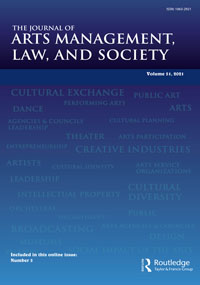
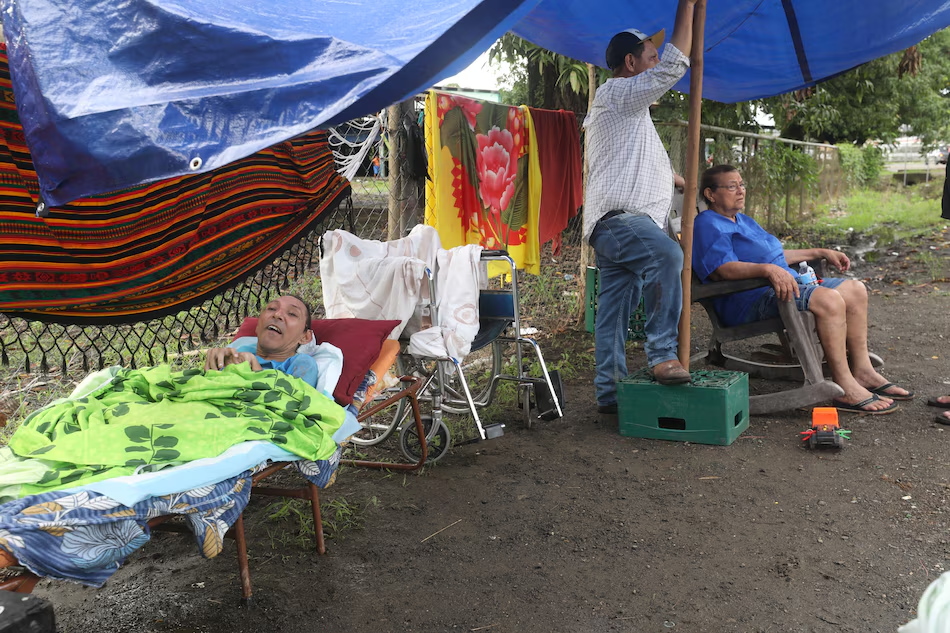
The Pretty Face of Inequality: Arts Attendance in Panama

Abstracto:

If arts attendance is used to activate social comparison processes that strengthen group boundaries, it could help maintain or even increase conflict between different social groups as they are seen as opportunities to openly celebrate that resources are unequally shared in society. This article explores whether levels of education, income and occupation affect the likelihood of attending artistic events in Panama, one of the most unequal countries in Latin America. Using a binary logistic model, it models this likelihood testing two hypotheses. First, it is assumed that these drivers work as “sticks” that affect separately arts attendance. Then these variables are binned as a composite variable or bundle of sticks that proxies for group membership. Given the incipient state of cultural data and analysis in the field in Panama, the article seeks primarily to contribute to the theoretical conversation on art policies in small countries with high levels of inequality and the effects on economic disparity of efforts to increase attendance to artistic events.

Fecha:

01/04/2021

Publicado en:

The Journal of Arts Management, Law, and Society
Volume 51, 2021 – Issue 5

https://doi.org/10.1080/10632921.2021.1900007

Investigador(es):

Línea(s) de investigación:

Tema(s):

Cultura

Alcance geográfico:

Panamá

También te podría interesar:
Una noble mentira, o una verdad infame

«Esta improbable tierra prometida»

CIEPS AIP © 2026. Todos los Derechos Reservados

The Pretty Face of Inequality: Arts Attendance in Panama

Abstracto:

If arts attendance is used to activate social comparison processes that strengthen group boundaries, it could help maintain or even increase conflict between different social groups as they are seen as opportunities to openly celebrate that resources are unequally shared in society. This article explores whether levels of education, income and occupation affect the likelihood of attending artistic events in Panama, one of the most unequal countries in Latin America. Using a binary logistic model, it models this likelihood testing two hypotheses. First, it is assumed that these drivers work as “sticks” that affect separately arts attendance. Then these variables are binned as a composite variable or bundle of sticks that proxies for group membership. Given the incipient state of cultural data and analysis in the field in Panama, the article seeks primarily to contribute to the theoretical conversation on art policies in small countries with high levels of inequality and the effects on economic disparity of efforts to increase attendance to artistic events.

Fecha:

01/04/2021

Publicado en:

The Journal of Arts Management, Law, and Society
Volume 51, 2021 – Issue 5

https://doi.org/10.1080/10632921.2021.1900007

Investigador(es):

Línea(s) de investigación:

Tema(s):

Cultura

Alcance geográfico:

Panamá

También te podría interesar:

Una noble mentira, o una verdad infame

«Esta improbable tierra prometida»